Credit Cards

Commercial Construction Services
GET STARTED AND BUILD YOUR CREDIT SCORE!

Compare

1
MOST POPULAR

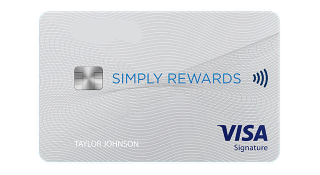
Fin-Path Finance Simply Rewards

The card that offers more rewards on your everyday purchases.¹


Apply Now
2
Travel Rewards

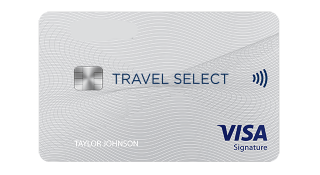
Fin-Path Finance Travel Select

The travel rewards credit card you want in your wallet.


Apply Now
3
Cash Back

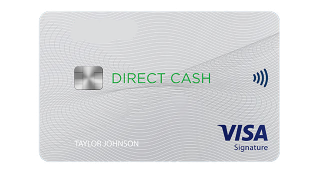
Fin-Path Finance Direct Cash

The card that pays cash back on all your purchases.²


Apply Now

ALL ACCOUNTS INCLUDE

✓ $0 liability protection on unauthorized purchases
✓ Secure access to Google Pay,® Apple Pay,® Samsung Pay, and Garmin Pay.
✓ Visa benefits like travel assistance services, auto rental insurance and more
✓ You can now tap to pay for fast, easy and secure checkout.
✓ Online banking credit card management

Digital wallet

Fin-Path Finance's accounts work seamlessly with the latest digital wallet technology, including Google Pay, Apple Pay, Samsung Pay, and Garmin Pay.

Carry your credit card, debit card, gift cards and membership cards all within your device and pay with just a tap.

View the Digital Wallet Terms and Condition

Credit Cards Designed with Your Experience in Mind

Value

Fin-Path Finance offers a variety of credit cards, each designed to reward you for your most frequent purchases. Whether that be everyday spend, travel or all-purpose…we have you covered.

Exceptional service

Fin-Path Finance Personal Bankers are available to assist you every step of the way. We are well equipped to answer any questions you may have, assist with completing your application or talking through which Fin-Path Finance credit card that will deliver you the most rewarding experience.

Online access and Control

Quickly and easily manage your credit card with Fin-Path Finance Online Banking or by using our Fin-Path Finance Mobile Banking app. Choose how and where your credit card is used with integrated card management and card control features. You may enable/disable cards, restrict card use, set automated alerts, request a credit limit increase, set travel notifications and much more.

Construction Services

Questions about your Credit Cards? Fin-Path Finance has answers.

A credit card can be a helpful tool in your personal financial toolkit. Opening at least one card and paying it on time helps build your credit history and boost your credit score.
But how many credit cards should you have? There’s not one right answer for everyone. It depends on a few things, including your financial situation, financial goals and spending habits.
Know your spending habits
If you have stable income and can easily pay a monthly card balance, having a few credit cards may be smart. You could use certain cards for daily purchases, like gas or groceries, to help you budget and potentially save money.
Many credit cards offer incentives for rewards, travel or cash back. Loyalty-program credit cards from retail stores often offer points toward purchases or extra discounts.
If you’re starting out in college or career, opening just one credit card might be a good option. You can use it to pay bills from a single source, making it easier to track payments. In the meantime, you’d accumulate a solid credit history by paying the card on time and keeping it open.

Knowing how your credit card works can help you get the most benefits from using a credit card. Here’s a quick look at how credit cards work:

A credit card isn’t a debit card

A debit card is connected to your personal checking account. Each time you use a debit card to make a purchase or pay a bill, there’s a simultaneous electronic withdrawal from your checking account.
Using a credit card is like taking out a short-term loan. A credit card company approves you to borrow a certain amount of money, and you’ll have to pay it back.

Know your credit limit

A credit limit is the total amount of money you can borrow on your credit card. Your available credit is reduced every time you make a charge. If your credit limit is $1,000 and you make a purchase for $200, your remaining available credit is $800.

Grace periods and interest fees

The credit card grace period is the time between when you make a charge and when the bill is due. Pay your credit card in full by the due date each statement period, and your account won’t accrue interest.
If you pay anything less than the full monthly balance, your account is charged interest. Interest is based on your credit card’s APR, or annual percentage rate.

Understand your credit card bill

Your monthly credit card bill shows the New Balance and the Minimum Payment Due. The Minimum Payment Due is the least amount you can pay by the due date to avoid a late fee. But if you only pay the minimum, your account will accrue interest because you’re paying less than the full amount you owe.

Maintain healthy credit

Credit cards can help you build a strong credit history. But carrying too much debt, making late payments or missing payments can severely hurt your credit.

An APR on a credit card stands for “annual percentage rate.” In simplest terms, an APR is used to calculate the interest you’re charged when you carry a balance on a credit card.
If you pay less than the total monthly balance, a credit card company will charge you interest on your revolving balance and on future advances until the balance is paid in full. If you always pay your total monthly balance, you’re not charged interest.
Credit cards come with varying APRs. Your credit history and perceived credit risk can affect the APR on your credit card. Typically, the higher (or better) your credit score, the lower your APR.

Credit card companies offer a wide range of options, interest rates and rewards. Focus your search for the best credit card for you with these questions:

What’s my credit history and credit score?

It's important to check your credit history and credit score on a regular basis. Lenders use this score to evaluate your creditworthiness. Each of the nationwide credit bureaus offer free access to your credit report at annualcreditreport.comleaving website icon.
Credit card companies offer a credit limit and annual percentage rate (APR) based on your previous credit usage and their assessment of your ability to repay the debt you might incur on that credit limit.
To get an idea of what limit and rates to expect before you apply for a credit card, know your credit score.

How will I use a credit card?

Do you want to build or repair your credit? Earn cash back or points for redemption options? Knowing how you want to use your credit card will help make finding the right one easier.

Am I willing to pay an annual fee?

Usually, credit cards that offer the highest perks also charge an annual fee. If you think the fee is worth it because the card matches your financial goals, then it might be a good idea. There are also many credit cards with little or no annual fees.